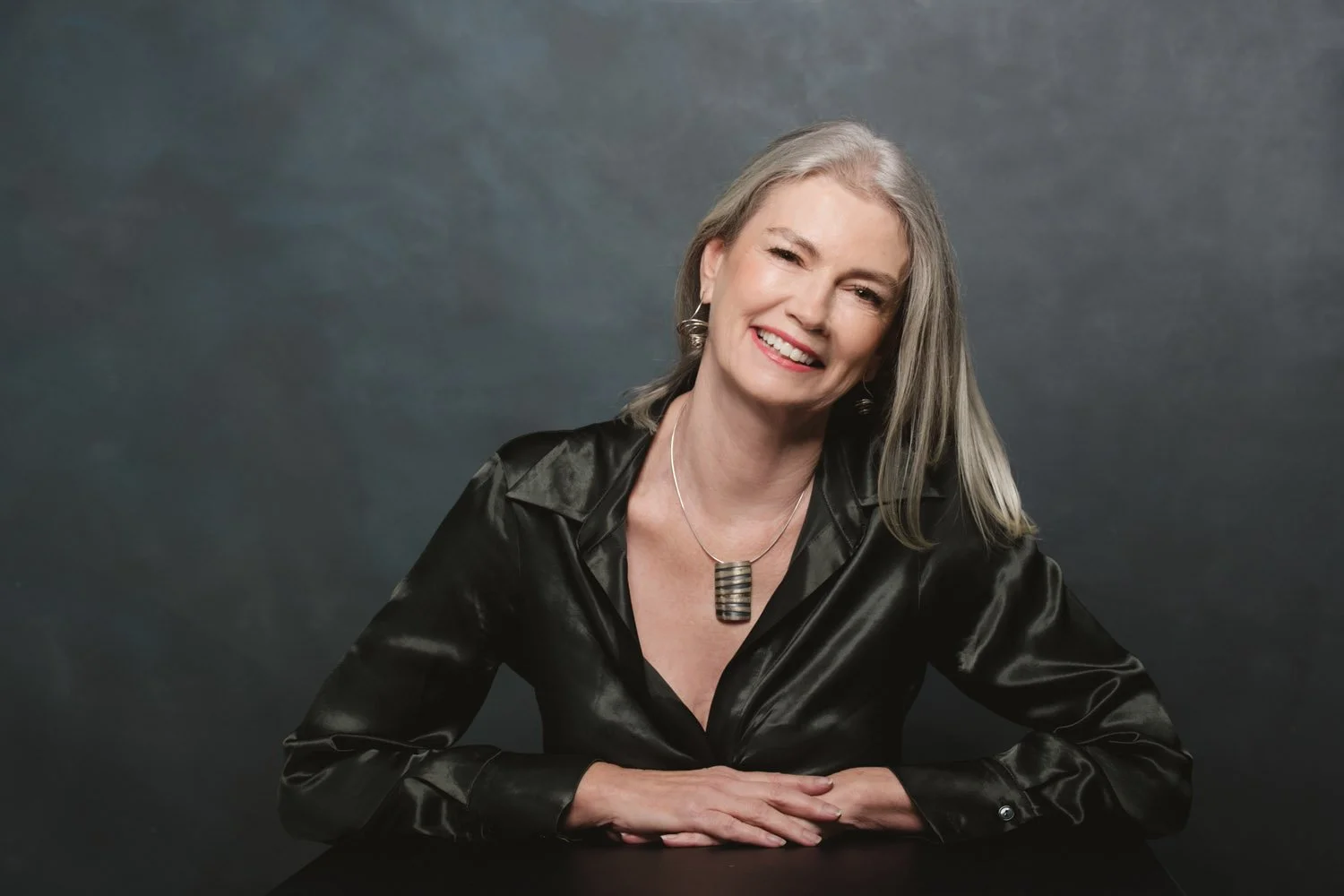
About Siobhán Costigan
Siobhán Costigan is a conceptual fine-art photographer, originally from South Africa and now based in Wellington, New Zealand. Working primarily through staged self-portraiture, her practice investigates what it means to inhabit the world with quiet certainty — examining how presence, belonging, and ease emerge through the body's relationship with landscape, architecture, and the environments that shape human experience.
Costigan approaches self-portraiture less as autobiography than as a sustained form of inquiry. Across anonymous interiors, expansive landscapes, and environments altered by human activity, the solitary figure becomes a means of considering vigilance, belonging, and the possibility of being. A recurring tension runs through the work, between environments that constrain and those that allow the body simply to be. Institutional and architectural spaces frequently carry traces of surveillance and psychological pressure, the natural world frequently offers a different relationship to presence — one in which belonging does not have to be earned or granted.
Across her body of work, her photographs trace a gradual movement from vigilance and containment toward self-possession and inner quiet. Rather than proposing belonging as attachment to a particular place, the work considers the possibility that it can become an internal certainty — something carried within, wherever we find ourselves.
Her work has been exhibited internationally and is held in private collections.
On The Work
Photography came to me later in life, at a point when I had accumulated enough experience to understand that the questions which stay with us are rarely simple ones. I began making self-portraits not from a desire to document myself, but because my own body gave me a way to explore questions of visibility, vigilance, belonging, and identity from within.
Working alone in front of the camera gives me an unusual combination of vulnerability and control. I am simultaneously photographer and subject, constructing the environment while also placing myself inside it. That tension has become fundamental to the work. The figure may be solitary, but I don't see her as lonely. Increasingly, I am interested in what happens when she no longer asks permission to occupy the space around her.
Each body of work leads me toward another question. Earlier photographs grew from experiences of vigilance and psychological containment; later work has moved increasingly toward belonging, self-possession, and the understanding that our relationship with ourselves is never fixed. What keeps me making photographs is that these questions continue to change as I do.
I want the photographs to live quietly but powerfully in the spaces of the people who collect them — to reward looking over time, to offer beauty, certainly, but also recognition, contemplation, and a sense of quiet strength. My hope is that a collector does not simply live with an image of a figure in a landscape or a room, but with something that continues to return them to questions of their own: where they belong, how they inhabit the world, and what it means to become increasingly at ease within themselves.